Phone: (239) 643-5322

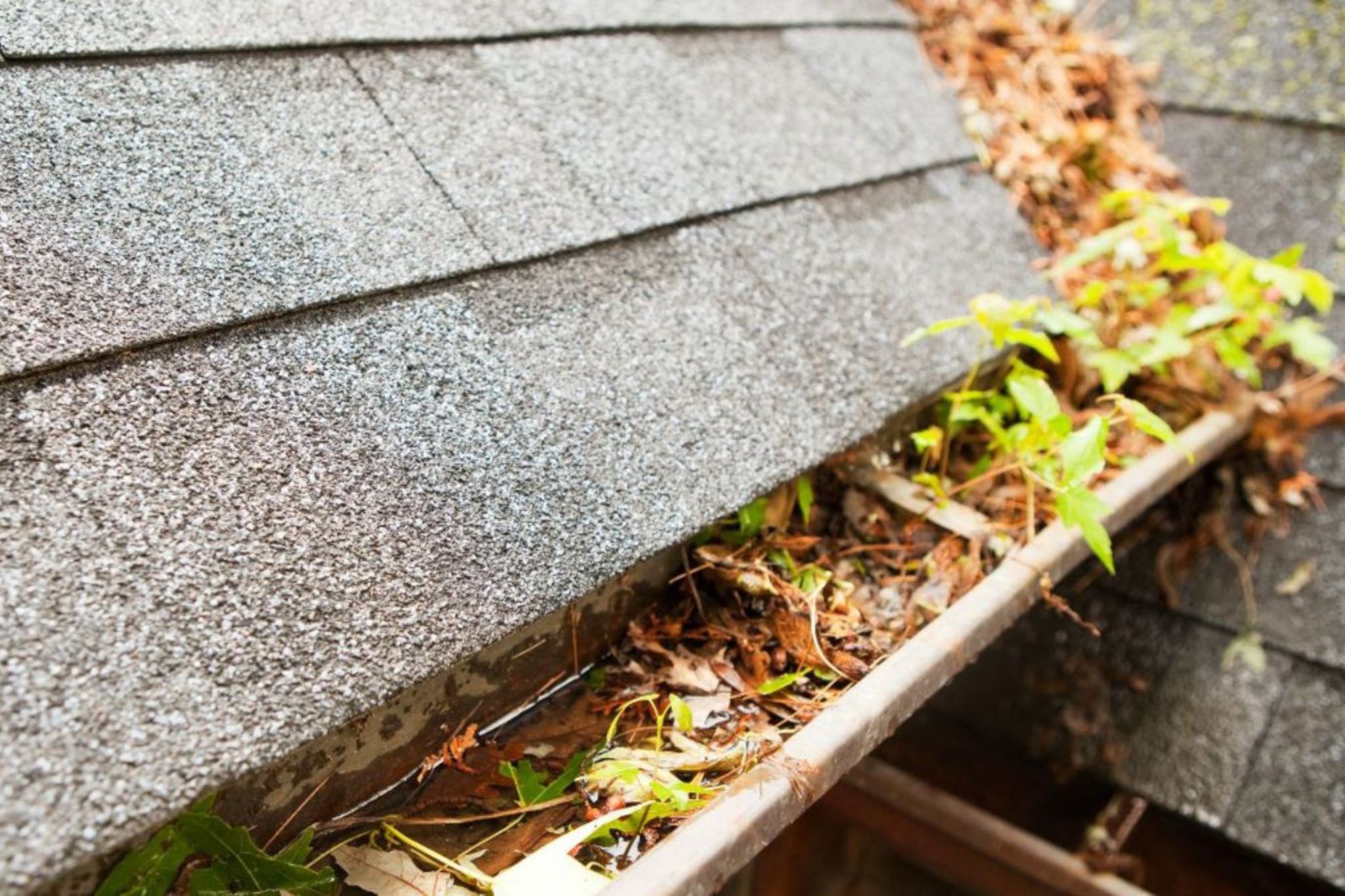
Are Your Gutters Trying to Tell You Something? Visual Signs It’s Time for a Gutter Upgrade
Most homeowners don’t think about their gutters until water starts spilling over during a storm. In our experience, though, the first warning signs usually appear long before that happens. A slight sag along the roofline, streaks beneath the gutters, or mulch repeatedly washing out after heavy rain often indicates the drainage system has gradually changed over time rather than suddenly failed.
Rarely does a single issue lead to a gutter replacement. More often, several small problems begin appearing together. Recognizing those visual warning signs early can help prevent water from affecting your roofline, siding, foundation, landscaping, and other parts of your home.
Overflow Isn’t Always a Clog
One of the most common questions homeowners ask is whether overflowing gutters simply need to be cleaned. While leaves, pine needles, and other debris are certainly common causes, recurring overflow often points to a larger issue that cleaning alone won’t solve.
During gutter inspections, we frequently find gutters that were recently cleaned but still overflow in the same location during every rainstorm. In many cases, the slope has gradually changed, a long section has settled over time, or the original gutter system is no longer handling the amount of water coming off the roof.
Several observations commonly suggest a larger issue:
- Water consistently overflowing in the same location
- Rain running behind the gutter instead of into it
- Standing water remaining after rainfall
- Overflow occurring during moderate storms rather than only severe weather
If the same symptoms return after every cleaning, it’s often time to evaluate the entire drainage system instead of continuing routine maintenance alone.
What Sagging Gutters Reveal
Gutters are designed to move water efficiently toward the downspouts, so even a small change in alignment can affect how the entire system performs. While homeowners usually notice one section that appears to be sagging, that visible dip isn’t always where the problem started.
During gutter replacement projects, it’s common to discover that the pitch has gradually changed across a much longer section than expected. The area pulling away from the fascia simply became the first place where years of movement became noticeable.
| Visible Change | What It May Suggest |
|---|---|
| Sagging between hangers | Water collecting instead of draining |
| Gaps behind the gutter | Fasteners or fascia beginning to loosen |
| Uneven gutter line | Loss of proper pitch across the run |
| Twisted or bent sections | Long-term structural stress from repeated water weight |
These gradual changes help explain why isolated repairs sometimes provide only temporary improvement. Once the overall alignment has shifted, restoring proper drainage often requires more than replacing individual components.
Exterior Warning Signs
Many homeowners first notice peeling paint or exterior stains without realizing their gutters may be contributing to the problem.
A pattern we frequently see is homeowners repainting fascia boards or touching up siding only to have the stains return because water continues escaping behind the gutter. While fresh paint improves the appearance, it doesn’t correct the underlying drainage issue.
Other warning signs include:
- Dark streaks beneath the gutter line
- Peeling or bubbling paint near the roof edge
- Water marks on fascia or soffits
- Mulch or decorative stone repeatedly washing away
- Soil erosion below the same section of roof
Landscaping often provides some of the earliest clues. When flower beds, edging, or decorative rock shift after nearly every heavy rain, it’s often a sign that one section of the gutter system isn’t directing water where it should.
When Repairs Start Adding Up
Repairing isolated damage makes sense when the rest of the gutter system is still in good condition. However, as gutters age, another pattern often begins to develop.
We regularly meet homeowners who fix one issue only to experience another several months later. While each repair solves the immediate problem, it doesn’t address the overall wear affecting the system.
A repair history that often signals it’s time to consider gutter replacement includes:
- The same corner requiring resealing more than once
- Different sections needing new fasteners over successive seasons
- Multiple patch repairs completed over the years
- Individual components being replaced while the original gutter system remains in place
- Annual maintenance costs continuing to increase
Instead of viewing each repair separately, it’s helpful to look at the bigger picture. When gutter maintenance becomes more frequent, and repairs continue appearing in different areas, investing in a new gutter system is often the more cost-effective long-term solution.
Planning a Gutter Upgrade
Many homeowners replace their gutters because they want to solve recurring drainage problems, not simply because the existing gutters look old.
During consultations, we’re often asked to replace only the gutters, but it’s also a good opportunity to evaluate the entire drainage system. Roof additions, patio covers, mature trees, or changes to the landscaping can all affect how rainwater flows across the roof and into the gutters.
A gutter upgrade is a great time to evaluate:
- Downspout placement
- Overall gutter capacity
- Roof valleys that concentrate water
- Areas with recurring overflow
- Opportunities to add gutter guards to reduce maintenance
Looking at the entire drainage system instead of only the damaged sections helps create more reliable water management during Florida’s heavy rainstorms.
Recognizing the Early Warning Signs
Most gutter problems develop gradually rather than overnight. Overflow, sagging sections, exterior staining, and recurring repairs often appear over several seasons, giving homeowners an opportunity to correct drainage issues before they become more expensive.
Upgrading your gutters is about more than replacing aging materials. It’s an opportunity to improve how water moves away from your home and protect your roofline, siding, foundation, and landscaping for years to come. Addressing these warning signs early can help prevent larger repairs while providing greater confidence during the next heavy rain.
Frequently Asked Questions
Does overflowing water always mean gutters need cleaning?
No. Overflow can also result from improper pitch, undersized gutters, or sections that have shifted over time. If the same area overflows after cleaning, it’s worth having the entire system inspected.
What causes gutters to sag?
Sagging usually develops gradually as water collects in low spots, placing additional stress on hangers and fasteners. Over time, the alignment changes enough to affect drainage throughout the system.
When is a gutter upgrade better than another repair?
If leaks, loose fasteners, separated joints, or sagging sections continue appearing in different areas over several years, replacing the system is often the more practical long-term solution.
Can damaged gutters affect landscaping?
Yes. Water repeatedly escaping from the same section of gutter can wash away mulch, erode soil, damage flower beds, and create drainage problems around your home’s foundation.
What should be evaluated during a gutter upgrade?
Along with replacing the gutters themselves, it’s important to evaluate downspout placement, gutter sizing, roof drainage patterns, recurring overflow locations, and opportunities to improve long-term performance with features like seamless gutters or gutter guards.
Rain Control Aluminum | Residential & Commercial Gutter Services
Your gutters play a critical role in protecting your home’s roof, siding, foundation, and landscaping from water damage. Whether you need seamless gutter installation, gutter replacement, soffit and fascia services, or a complete exterior upgrade, the experienced team at Rain Control Aluminum is here to help.
We’ve proudly served homeowners and businesses in Naples, Fort Myers, Marco Island, and nearby areas for decades by providing quality workmanship, dependable service, and exterior solutions built to withstand Southwest Florida’s climate. If you’re ready to improve your home’s drainage system or would like a professional gutter inspection, contact Rain Control Aluminum today for a free estimate.