Phone: (239) 643-5322

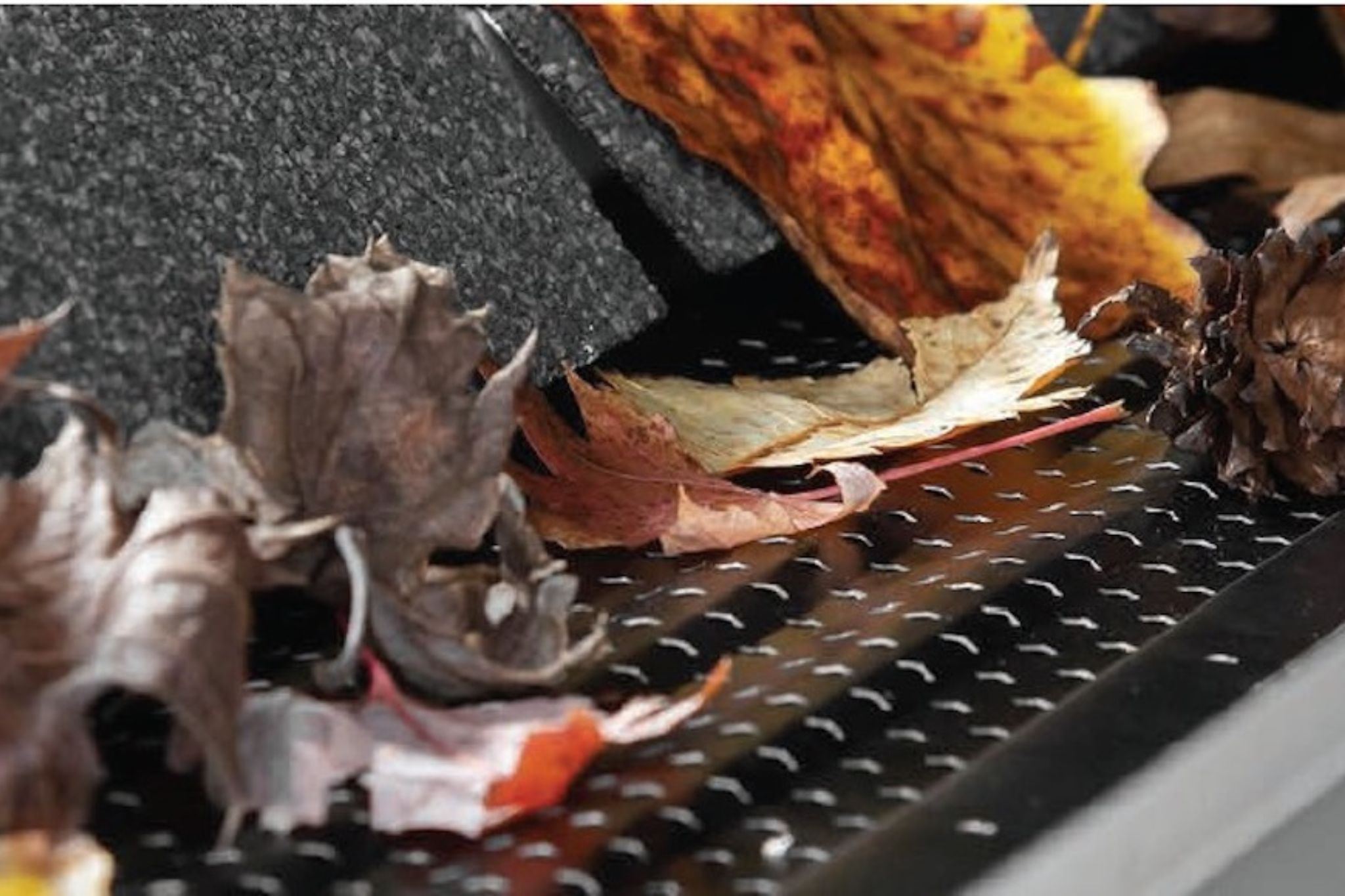
Do Gutter Guards Work in SWFL With Palm Fronds, Pine Needles, and Heavy Rain?
Gutter guards are designed to reduce maintenance by keeping leaves and debris out of the gutter system, but Southwest Florida presents a unique challenge. Palm fronds, pine needles, tropical storms, and intense seasonal rainfall can all affect how well a gutter guard performs.
A question many homeowners ask is whether gutter guards are actually worth installing in an environment where debris and heavy rain are both constant concerns.
The answer depends on several factors, including the type of debris surrounding the home, the design of the gutter guard, the condition of the existing gutters, and the amount of water moving off the roof during a storm.
In many cases, gutter guards can significantly reduce maintenance requirements. However, they are not a maintenance-free solution, particularly in Southwest Florida.
Palm Fronds and Pine Needles Create Different Challenges
Not all debris behaves the same way once it reaches the roof.
Palm fronds are large and often remain on top of the gutter guard. Pine needles are much smaller and can collect around openings and edges. Seed pods, leaves, and windblown debris each create their own challenges.
Common debris found around Southwest Florida homes includes:
- Palm fronds
- Pine needles
- Oak leaves
- Seed pods
- Small branches
- Storm debris
Many homeowners assume that seeing debris sitting on top of a gutter guard means the system has failed.
In reality, the important question is whether water can still enter the gutter and flow toward the downspouts.
A gutter guard covered with a few palm fronds may still function properly, while a guard that appears relatively clean may have enough pine needles trapped around the openings to restrict water flow.
This is why periodic inspections remain important, even after a gutter guard has been installed.
Heavy Rain Is the Ultimate Test
Southwest Florida’s rainy season can quickly expose weaknesses in any drainage system.
A gutter guard must allow rainwater to enter the gutter quickly enough to prevent overflow while continuing to keep debris out.
Several factors influence how effectively that happens:
- Roof size
- Roof pitch
- Gutter capacity
- Downspout performance
- Water concentration in roof valleys
- Gutter guard design
Overflow during a storm does not automatically mean the gutter guard has failed.
In many situations, the actual cause may be:
- An undersized gutter
- A blocked downspout
- Improper gutter slope
- Concentrated runoff from a roof valley
- Existing structural problems
Replacing a gutter guard will not solve a drainage problem caused by another part of the system.
Not Every Gutter Guard Performs the Same Way
Homeowners are often surprised to learn that there isn’t a universal gutter guard that works perfectly in every situation.
The surrounding landscape plays an important role in determining which type of protection may work best.
| Property Condition | Potential Benefit | Possible Limitation |
|---|---|---|
| Nearby palm trees | Keeps smaller debris out of the gutter | Large fronds can collect on top |
| Pine trees | Reduces needle buildup inside the gutter | Fine needles can still collect around openings |
| Heavy rainfall | Helps keep gutters clearer during storms | Poor drainage can still cause overflow |
| Dense tree coverage | Reduces debris accumulation inside gutters | Debris may accumulate on the guard itself |
| Storm-prone areas | Limits some windblown debris | Large branches can still damage the system |
A system that performs exceptionally well around oak trees may not be the best choice for a property surrounded by pines or mature palms.
The most effective solution often depends on the specific conditions around the home.
Gutter Guards Reduce Maintenance, but They Don’t Eliminate It
One of the biggest misconceptions about gutter guards is that they completely eliminate the need for maintenance.
They don’t.
Even a well-designed gutter protection system should be inspected periodically.
Homeowners should check for:
- Debris collecting on top of the guard
- Overflow during heavy rain
- Downspout blockages
- Loose attachment points
- Storm damage
- Sagging gutters
Regular inspections can identify developing problems before they lead to larger drainage issues.
This is especially important after tropical storms or severe weather events that may deposit large amounts of debris on the roof.
Existing Gutter Problems Should Be Fixed First
A gutter guard is designed to keep debris out. It is not designed to repair a damaged gutter system.
Before installing a gutter guard, the existing system should be evaluated for:
- Leaking seams
- Sagging gutters
- Improper slope
- Loose fasteners
- Damaged fascia
- Clogged downspouts
Adding a gutter guard to a failing gutter system often creates frustration because the underlying problem remains unresolved.
A simple rule applies: gutter guards work best when they’re installed on gutters that are already functioning properly.
In some situations, repairing or replacing the gutter system should happen before any gutter protection products are considered.
The Right Storage and Drainage Solution Depends on Your Property
Every home is different.
A house surrounded by mature palms near the coast will have different drainage requirements than a home with minimal tree coverage in another part of Southwest Florida.
The best gutter solution depends on several factors, including:
- The type of surrounding vegetation
- Roof design
- Existing gutter condition
- Rainfall patterns
- Maintenance expectations
Choosing a system based solely on advertising claims often leads to disappointing results.
A professional evaluation can help determine whether gutter guards are likely to provide meaningful benefits based on the specific conditions surrounding the property.
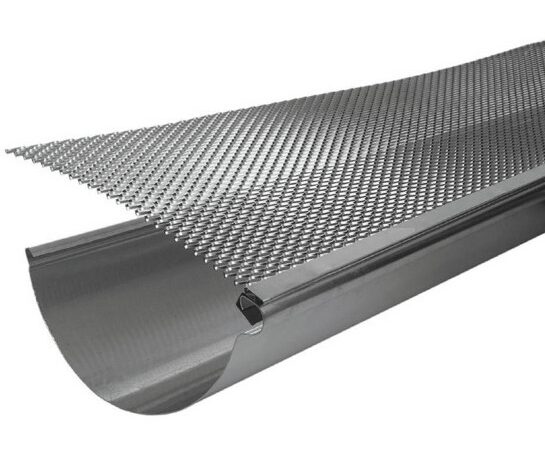
Half Round Gutter Guard – Aluminum
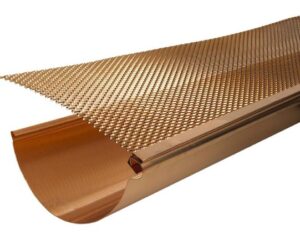
Half Round Gutter Guard – Copper
Frequently Asked Questions
Do gutter guards completely eliminate the need for gutter cleaning?
No. Gutter guards can significantly reduce debris accumulation, but periodic inspections and occasional maintenance are still necessary.
Can pine needles get through gutter guards?
Yes. Fine pine needles can sometimes collect around guard openings or enter certain systems. Performance depends on the design of the guard and the amount of surrounding tree coverage.
Will gutter guards stop palm fronds from collecting on the roof?
No. Large palm fronds can still land on the roof and rest on top of the gutter guard.
Can gutter guards be installed on existing gutters?
Often, yes. However, the existing gutters should be inspected for leaks, sagging, drainage problems, and structural issues before installation.
Are gutter guards worth it in Southwest Florida?
For many homeowners, yes. The key is selecting a system that matches the property’s specific conditions while understanding that routine maintenance will still be necessary.
Rain Control Aluminum | Residential & Commercial Gutter Services
Your gutters play a critical role in protecting your home’s roof, siding, foundation, and landscaping from water damage. Whether you need seamless gutter installation, gutter replacement, soffit and fascia services, or a complete exterior upgrade, the experienced team at Rain Control Aluminum is here to help.
We’ve proudly served homeowners and businesses in Naples, Fort Myers, Marco Island, and nearby areas for decades by providing quality workmanship, dependable service, and exterior solutions built to withstand Southwest Florida’s climate. If you’re ready to improve your home’s drainage system or would like a professional gutter inspection, contact Rain Control Aluminum today for a free estimate.